On the Trail of Iberian Lynx image

On the Trail of Iberian Lynx

Nature photographer Luke Massey goes hunting for images of one of the rarest of rare cats
© Luke Massey

I remember getting a brief glimpse of a Canadian lynx about 15 years ago, and from that moment I was hooked. Most nature enthusiasts have that one species they want to see, and for me it was (and still is) lynx. I just can’t think of a moodier but more stunning-looking cat. Leopards are sexy, lions are a bit dull and jaguars are mean-looking muscle machines but lynx just have it all: the looks, the attitude. They’re awesome.

I’ve tried to see European lynx loads of times, I’ve heard them, found fresh tracks, even fresh droppings, but they’ve continued to evade me. They’re hide and seek masters.

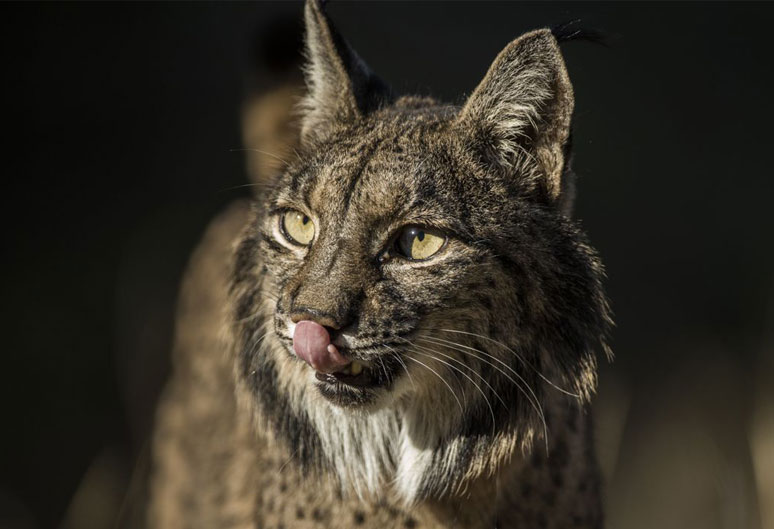
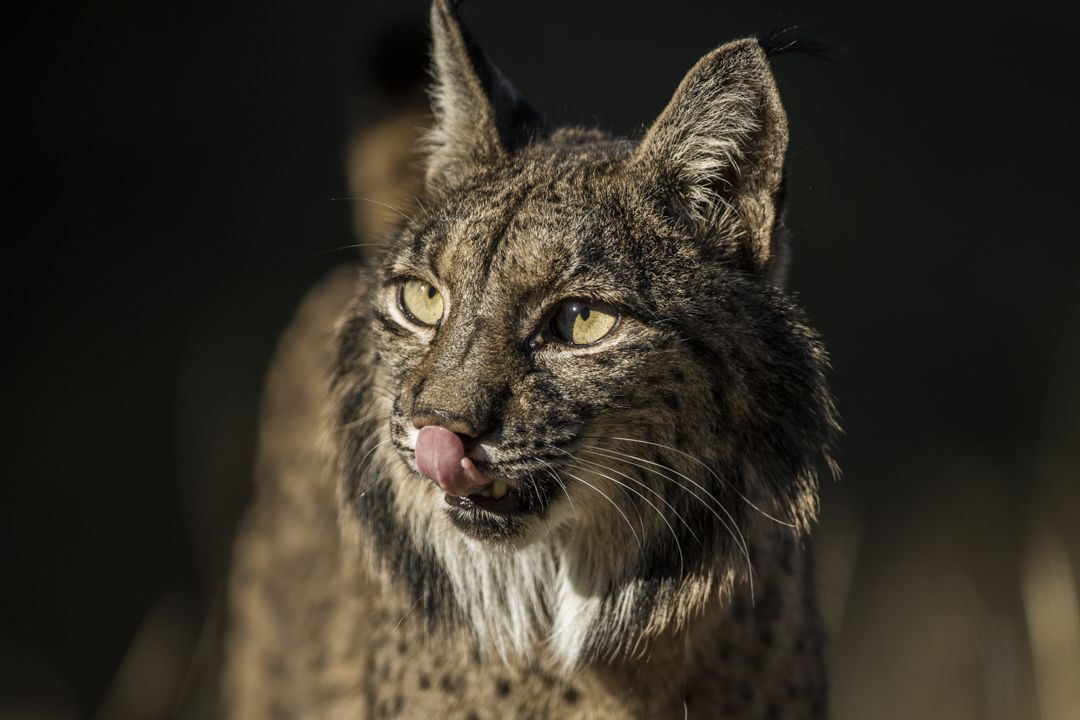
Alongside these lynx you’ve got the Iberian lynx, the rarest cat in the world and maybe the best-looking. An amazing beard, striking ear tufts and these piercing green eyes.

As a photographer it’s my job to educate and inspire. I once read a quote by Sir Peter Scott ‘“We shan’t save all we should like to – but we shall save a great deal more than if we never tried.” I guess I’ve taken that as my motto.

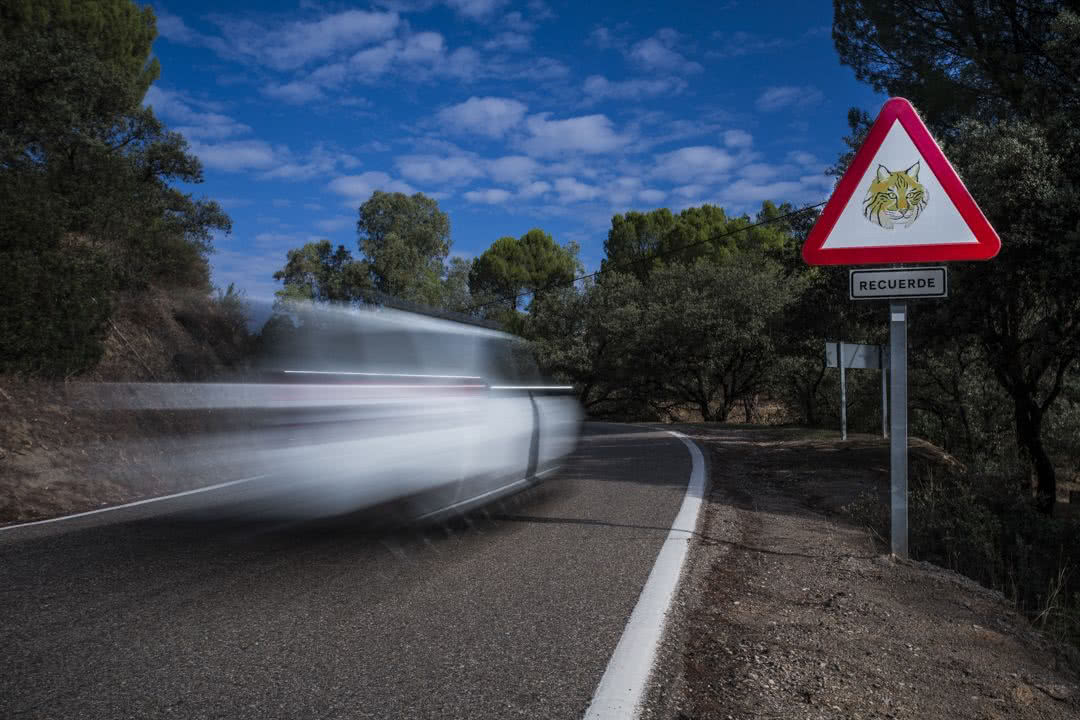
My aim of this project was to tell people about this cat, to try and raise awareness of its plight and ultimately funds for its conservation. In 2001 there were fewer than 100 roaming Spain now there are more than 400 in Spain and Portugal.
© Luke Massey

Preparation

Whenever I start a new project I research like mad, it’s funny really: my school studies suffered as my photography took off. I even dropped out of university! But I’ve since come full circle and now I try and learn as much as I can about subjects, reading up on them and speaking to scientists to get an understanding of the species.

Once I’ve got that, I (if possible) head to the destination on a recce. This is usually to get the lay of the land and obviously any bonus starting photos/film for the project. I watch my subject (if I can find it) and just work out what it does, where it goes, what it likes etc.
© Luke Massey

Luckily, before I searched for the lynx I’d spent three months working with leopards in Zambia. Lynx and leopards are both secretive and are both known to ambush hunters so you see a lot of similar behaviours, which helped. The experience meant I could spot a lynx and predict almost exactly where it was going to go. On the recce we had a lynx bonanza, I think I ended up seeing 6 in 5 days, it was incredible.

The shoot
© Luke Massey

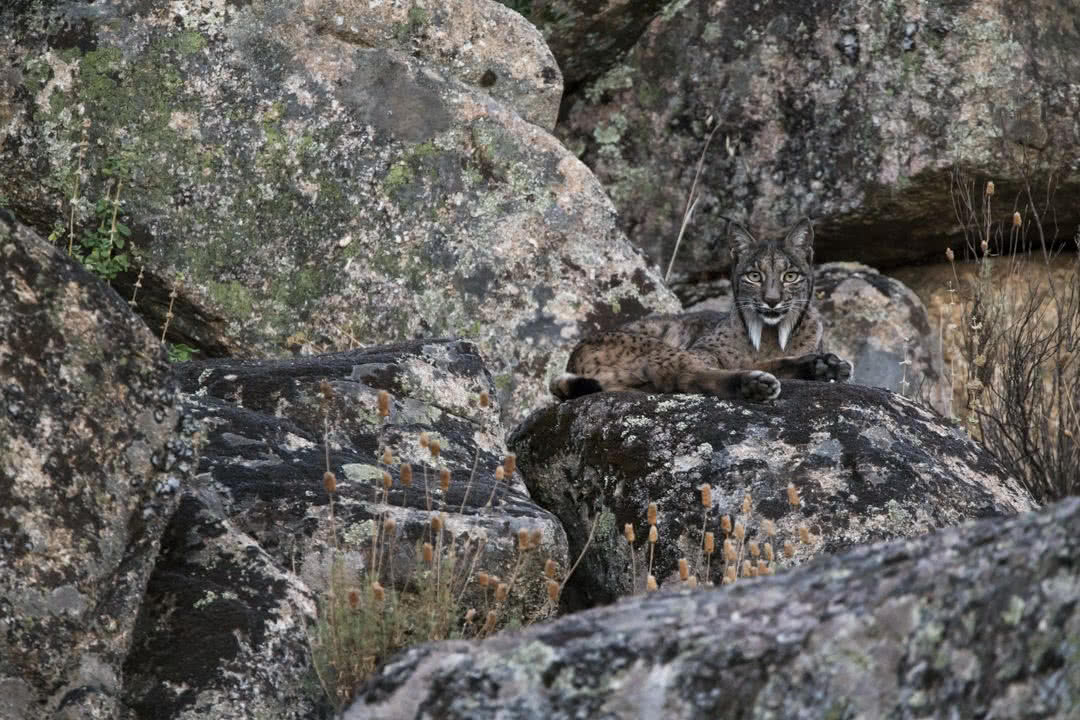
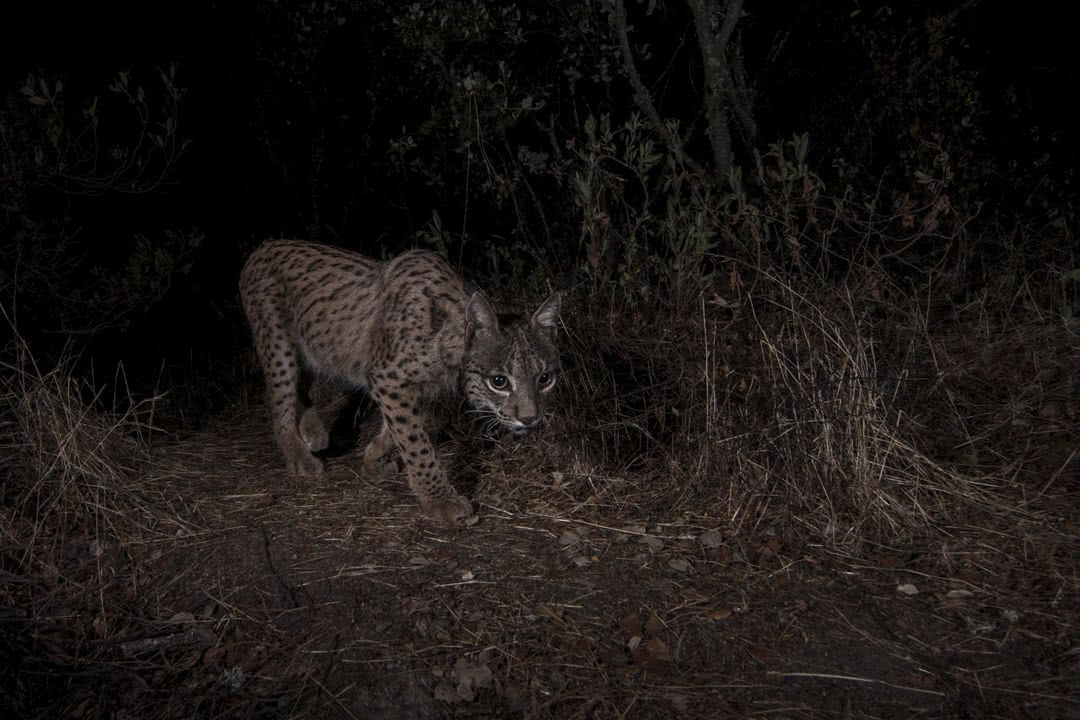
I allowed myself four months in Spain to get what I needed, but I was a little blinded by my recce’s success and I made a couple of errors. My recce was in January, peak breeding season for the lynx, and daytime temperatures reached no more than 20°C, nice and cool for a fur covered animal. Conversely, when I decided to start my project in July, daytime temperatures were hitting the mid-40s. Big mistake. Any sensible lynx (and it seems they all were) hid until nightfall. I got one usable camera trap shot and a captive-bred lynx release in 72 days, I was twiddling my thumbs and getting frustrated by the limits of what I could do. Fortunately, in early September I struck gold, I found two lynx in a bush right by the footpath.
© Luke Massey

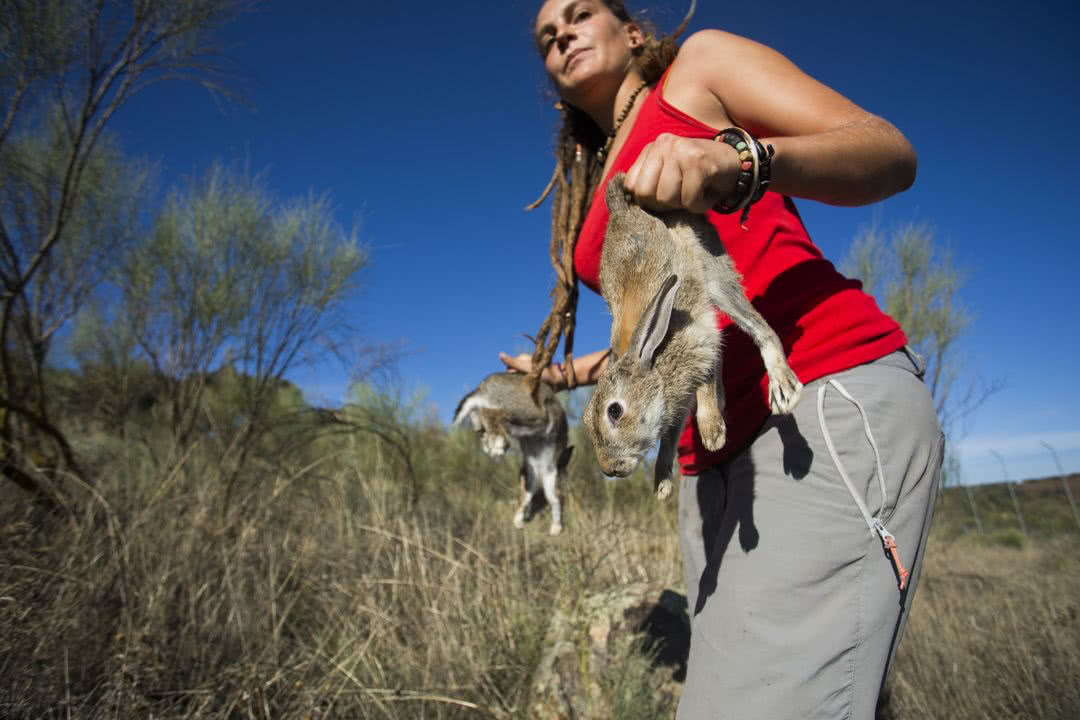
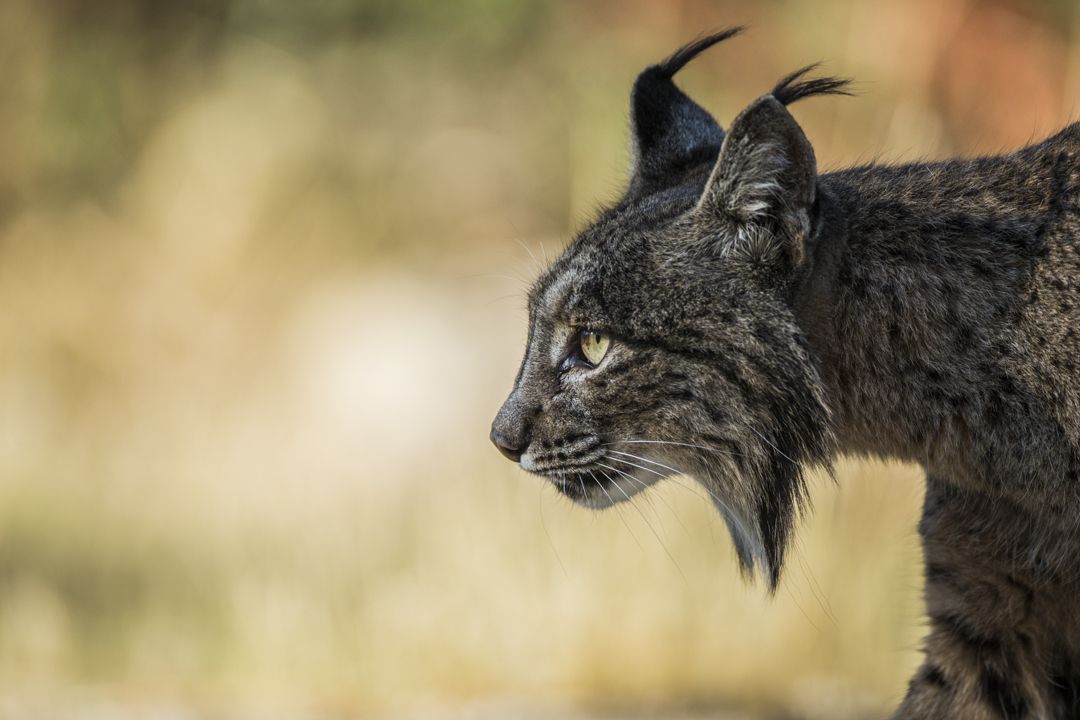
Lynx are not hunted; in fact their numbers are plummeting due to habitat destruction and a rapid decline in their main food source, rabbits. They’re so unthreatened by humans they’re relatively tolerant of us. That’s not to say they’re tame by any means – if you find a GPS-collared lynx, it’ll be gone in seconds, and if you surprise an un-collared lynx, chances are it’ll beat a hasty retreat too. However, this couple were relaxed, and I followed them as they went about their business. They stayed around all day and I got some great stuff.
© Luke Massey

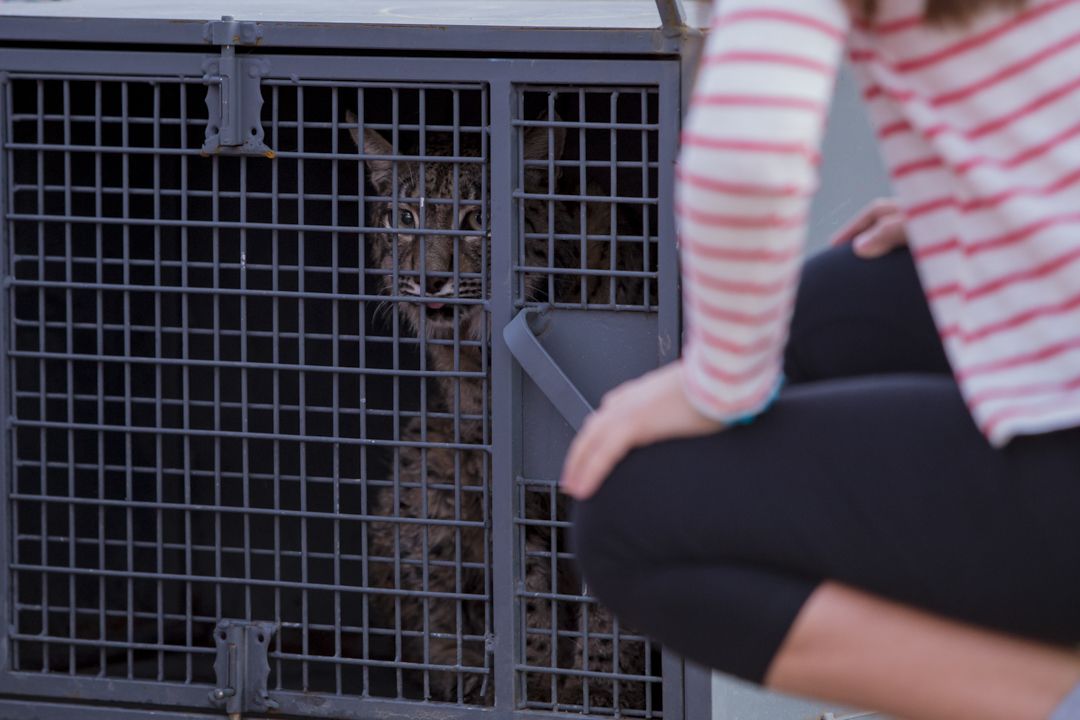
Alongside wild encounters we worked with the Iberlince Project in Extremadura, attending medical examinations of captive-bred cubs and even some releases. It was important to tell the whole story of what was being done to save the lynx from imminent extinction – if humans hadn’t stepped in 15 years ago, there wouldn’t be an Iberian lynx to even do a project on.
© Luke Massey

We knew, or at least we expected, that we’d be allowed to attend the release of captive bred lynx into the wild, but we were told by multiple people that it would be incredibly unlikely we’d be able to actually enter a veterinary surgery and see the lynx be collared and have their health checked before release.
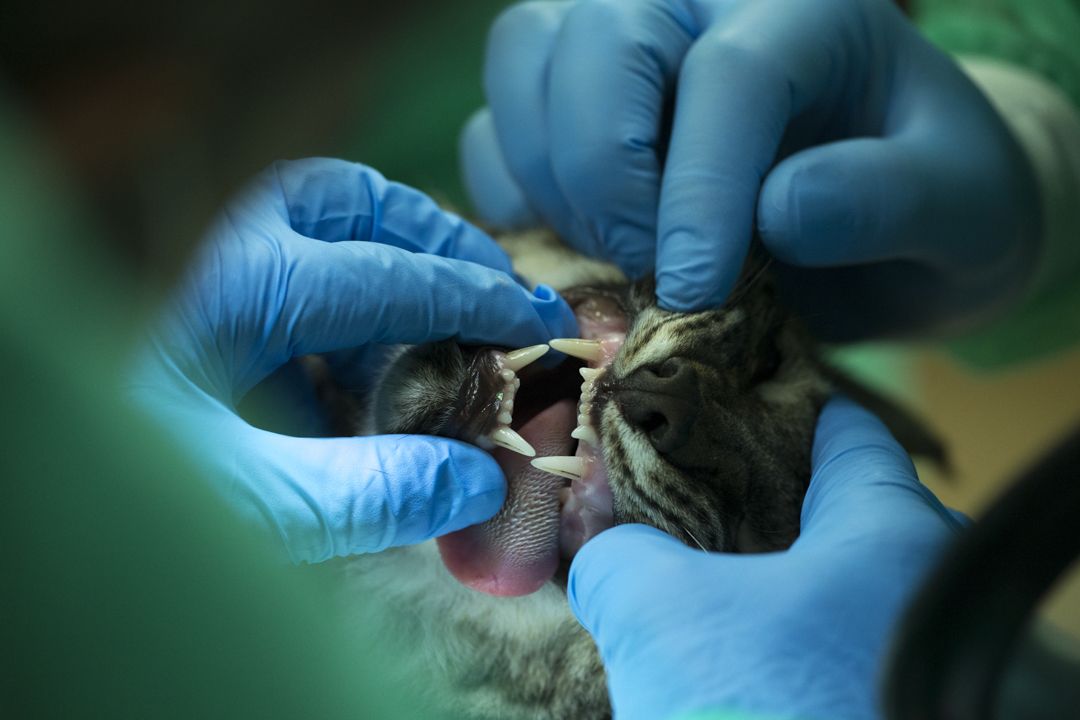
© Luke Massey

It was therefore a privilege to get this access and to watch Vicky Ascencio and her team at work, these people and their colleagues across Spain and Portugal have given this iconic species a second chance, now the next generation, and hopefully many more generations to come can head into Iberia’s hills to spot this cat.
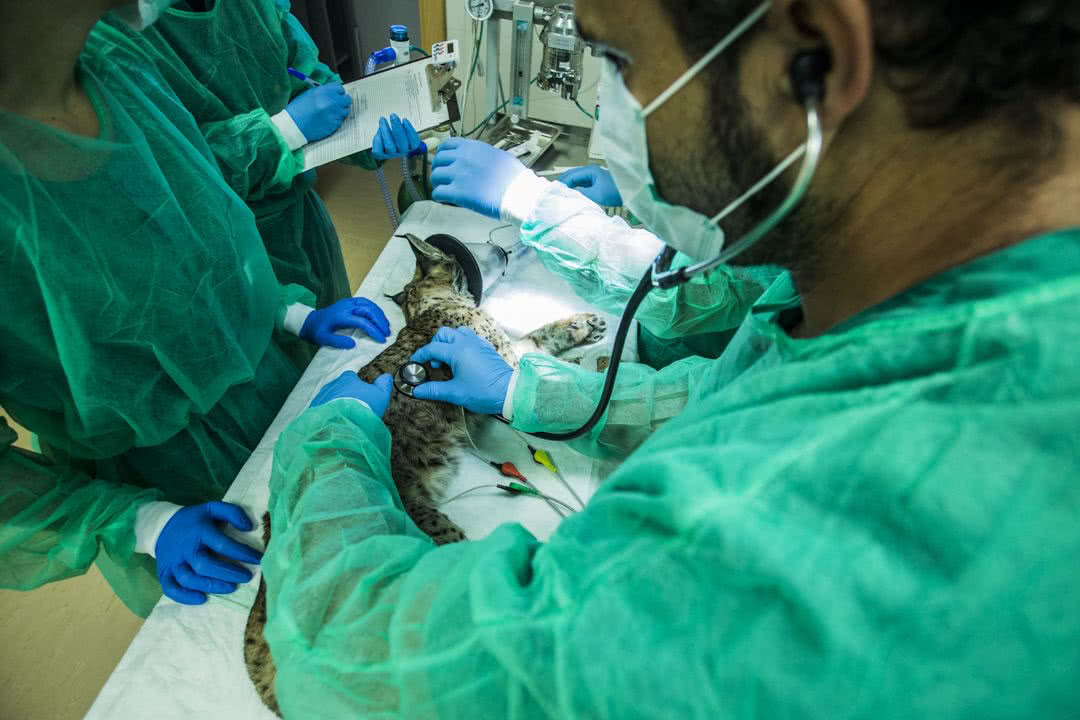
© Luke Massey

Success and the aftermath

Despite the initial lynx drought, amazingly the project did come together. I’m really pleased with what I got and I feel it really made a difference. We got some artists on board who made lynx-themed pieces, and their endeavours have raised over 500 euros to date. We also teamed up with the charity Wild & Free, who raised £1200, and all of this money has been donated to NGO LPN in Portugal, who are creating lynx habitats.
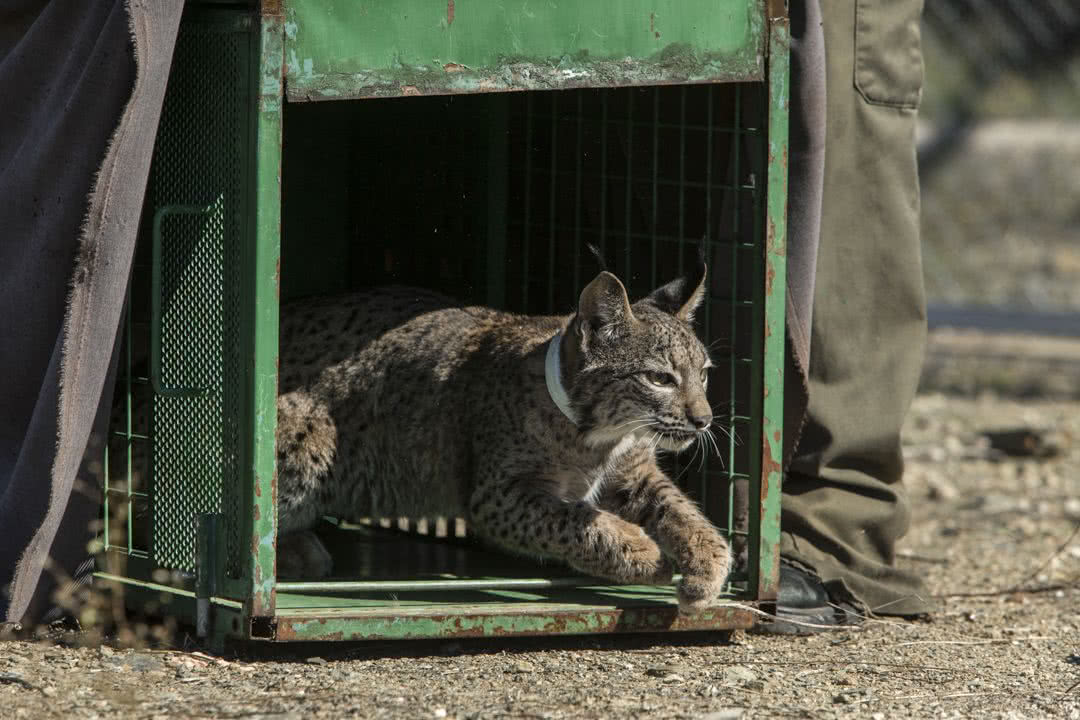
© Luke Massey

We also had a six-page feature in Geographical magazine, which goes out to 135,000 people so it was a great way to educate people of the lynx’s plight.

Luke Massey is a wildlife and nature photographer and videographer, and he can be reached at www.lmasseyimages.com. Luke was speaking to Jon Stapley
SHOOTING WEDDINGS WITH THE FUJI GFX 50S image

Shooting Weddings with the Fuji GFX 50S

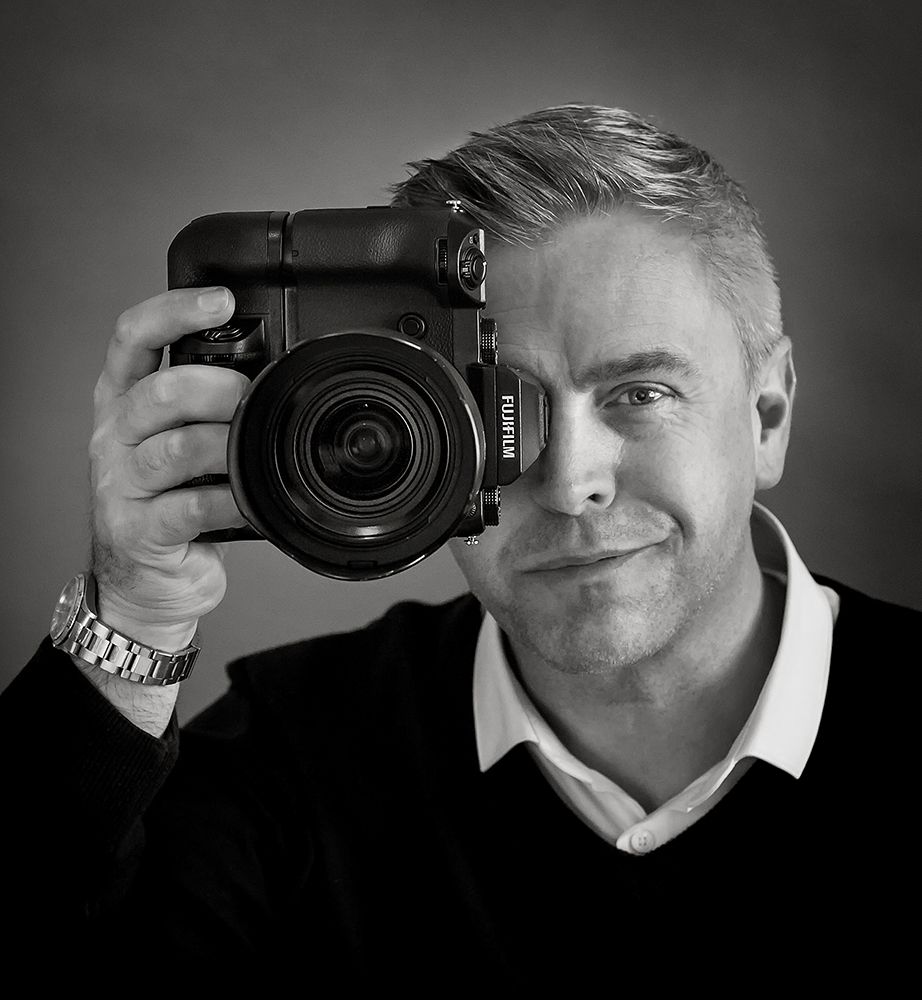
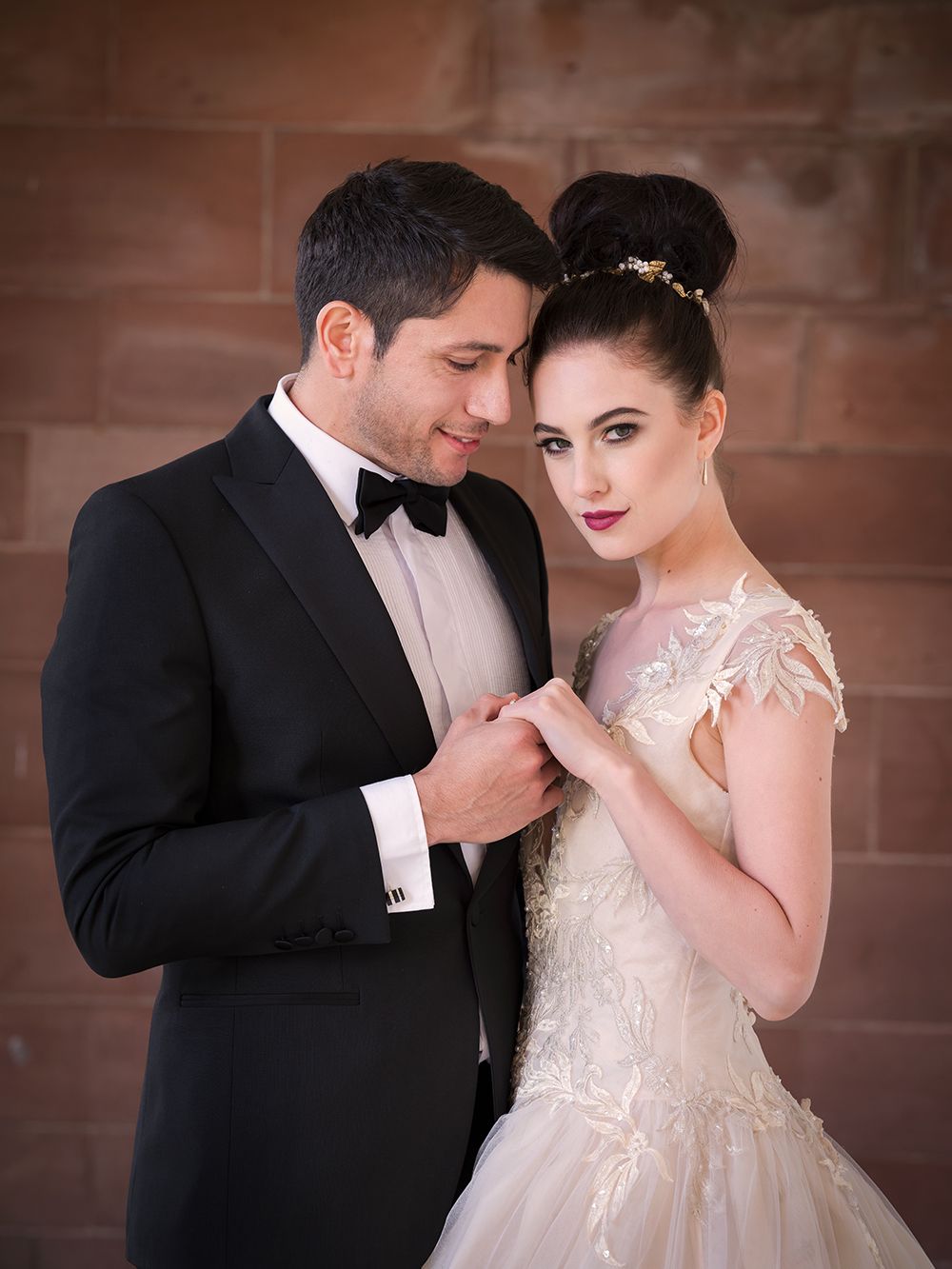
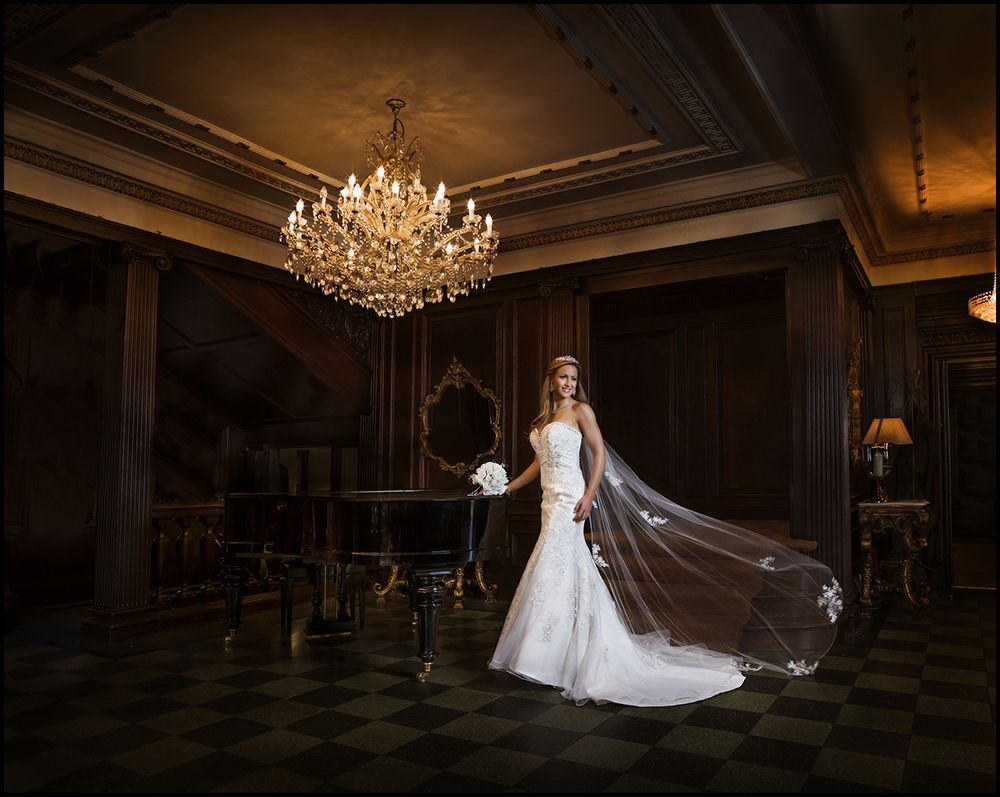
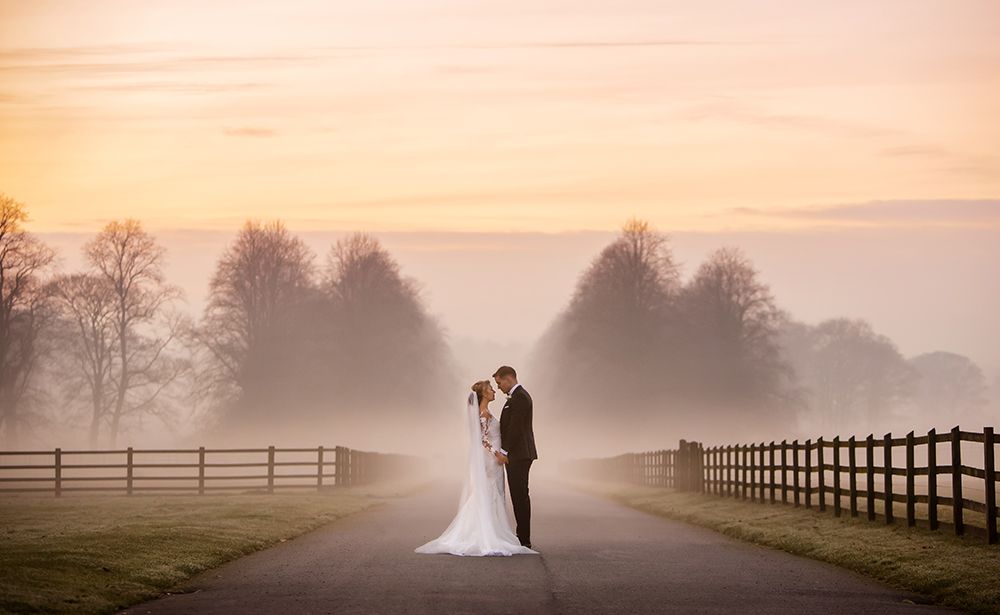
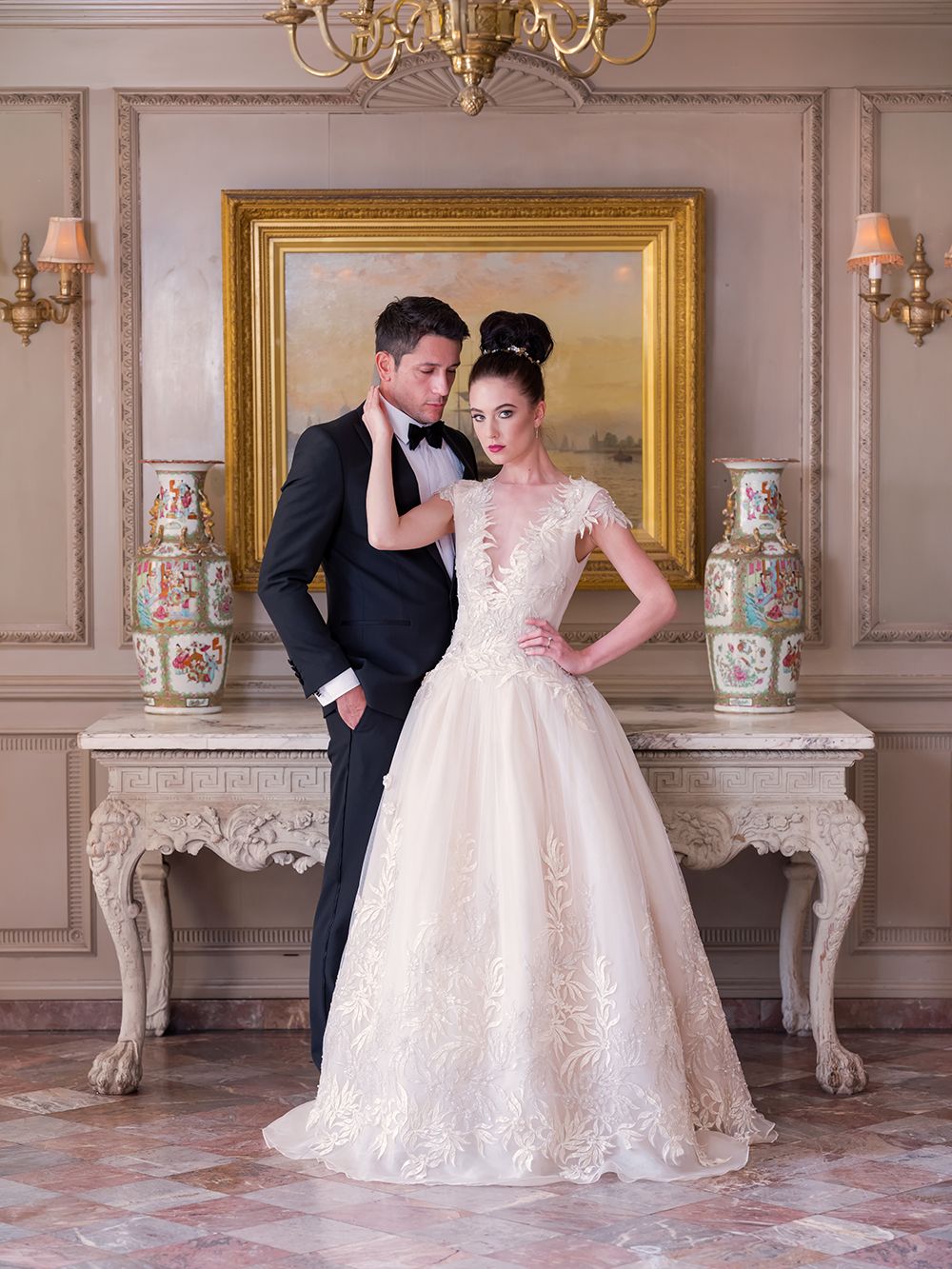
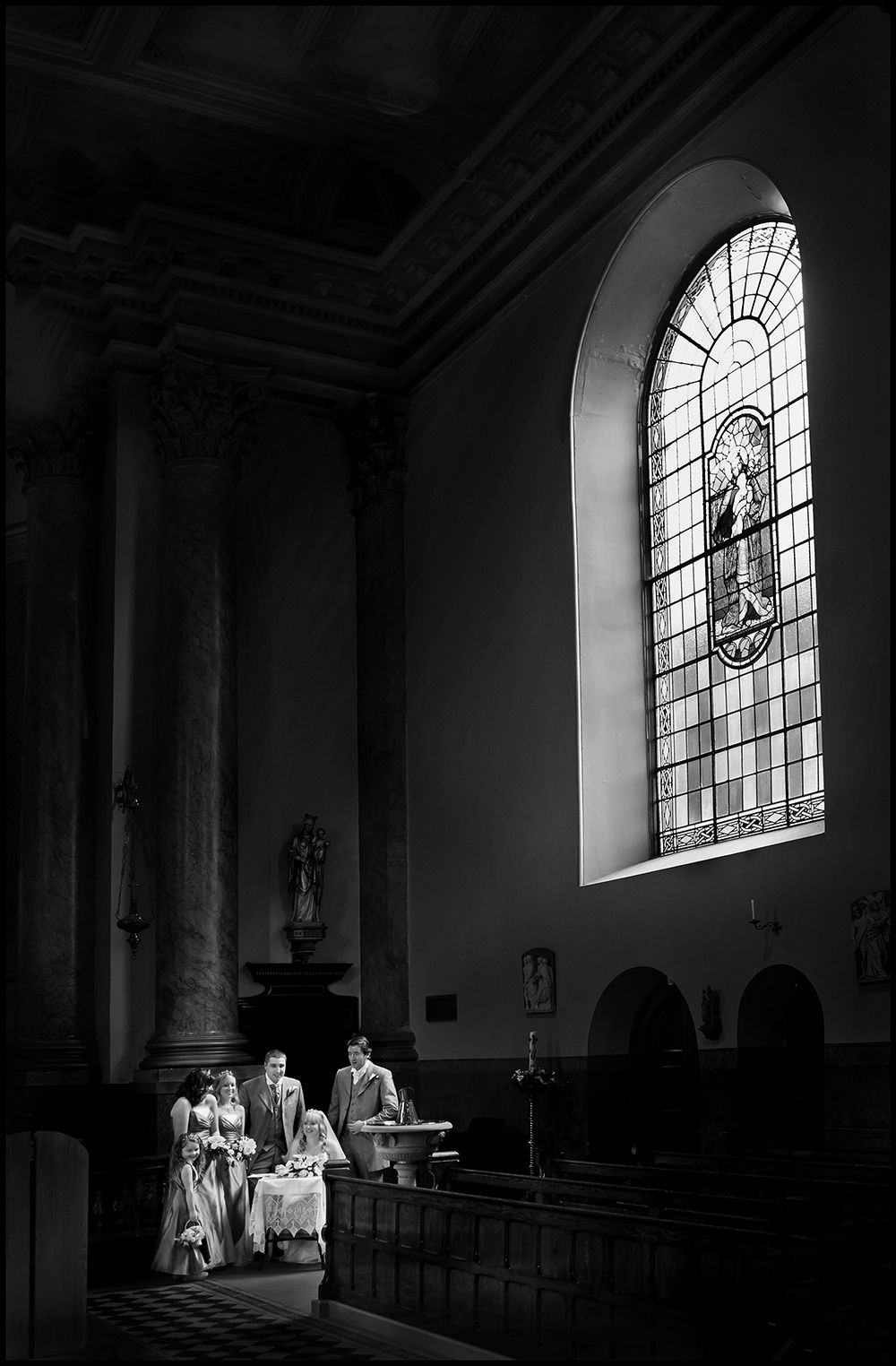
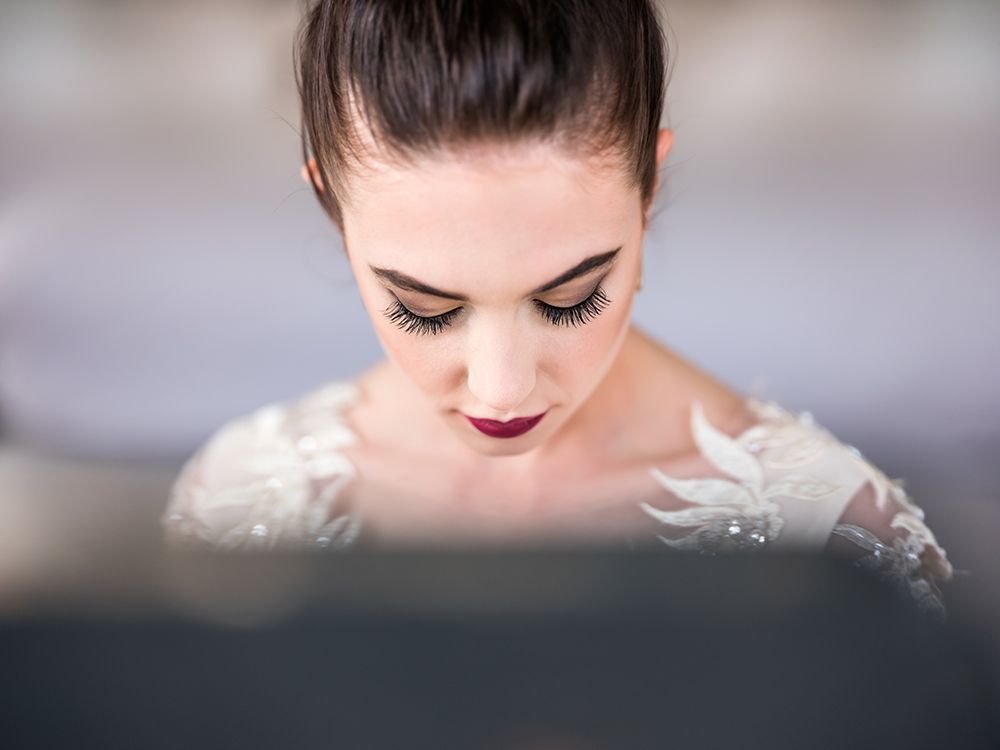
North West-based photographer David Stanbury reckons he has the best job in the world. For the last 20+ years, alongside his wife Jane, he has run an award-winning wedding & portrait photography business that grew out of a simple passion for photography & creating images that he loved.

David-Stanbury-Fujifilm-GFX50s-Profile-medium-format-camera-compressor

In 2013 David was given the highest honour of being awarded a fellowship in the British Institute of Professional Photography (BIPP) and the Society of Wedding & Portrait Photographers (SWPP) – the highest qualification a photographer can receive and to date has received over 200 International, national & regional awards for his photography.

Earlier this year, David was approached by Fuji, who were looking for professional photographers to test their GFX 50S. A longtime Hasselblad user, David already knew the benefits of medium format for his work and jumped at the chance to road test the then unreleased camera.

We recently caught up with David to talk photography and to hear his views on Fuji’s latest medium format camera.

David-Stanbury-Fujifilm-GFX50s-Profile-001-compressor© David Stanbury

This must be a busy time of year for you, so thanks for taking the time to speak to us. Can you tell us a little bit about your background and how you got into photography?

I think it’s more a case that photography found me. My parents bought me a camera for my birthday and my Dad said “now go to college & learn how to use it” at the time my reply was why? But that push really sowed the seeds for a passion that is still as strong nearly 25 years later. My break into wedding photography was just as chaotic. Whilst at college I had really fallen in love with the darkroom and hand printing B & W images. A friend of a friend was looking for a wedding photographer but at the time the Pros would only shoot colour and the couple wanted B & W only, so we were introduced and my first wedding I shot, processed and printed the images. As no ‘pro’ photographers seemed to be shooting in B & W I received a steady infux of enquiries and bookings; it seems crazy now but my USP was that I shot B & W photographs. My move into Professional photography was again just as chaotic. I worked for a company and they went bust overnight and with a new home and young family, I found myself out of work. So with £500 of my redundancy money we struck a deal with a local landlord giving me 3 months free rent on a studio, bought a couch, a desk and with 4 16 x 20 prints, opened our first studio…. Yes I still have the couch 😉

David-Stanbury-Fujifilm-GFX50s-Profile-004-compressor© David Stanbury

[gdlr_quote align=”center” ]We both are the luckiest people in the world, not only do we have the best job in the world travelling all over the world photographing gorgeous people happy & in love, but also being at the beginning of their new journey & documenting with our images two peoples lives change forever.[/gdlr_quote]

What equipment do you use?

In my bag at the moment is my Hasselblad H3D-31 II and a Canon 5D Mk III. Lens-wise I have an 80mm ƒ/2.8 & 28mm ƒ/4 for my Hasselblad (I love the 28mm and use this the most). On the Canon it’s a 16-35mm ƒ/2.8, 24-70mm ƒ/2.8 & 70-200mm ƒ/2.8.  I use the 70-200mm the most as I shoot my main images on the Hasselblad and candid on the Canon.

STANBURY-002-compressor© David Stanbury

Did you always want to be a wedding photographer?

I have always been the sort of person that if I did something I had to do it ‘properly’, so from the start I wanted to pay for new kit and pretty much from day one, was shooting portraits and then asked to shoot weddings and this then grew. I pretty much fell in love with weddings from my first one – I just loved the adrenalin rush that you get from working under the most intense pressure and then seeing the couples faces when you showed them their images. I’m also very much a people person, I love to socialise and as a wedding photographer you get to meet so many people who are always happy and its just such an addictive career.

STANBURY-003-compressor© David Stanbury

You’ve used Hasselblad alongside your Canon gear for many years. How did you find the GFX compared to the Hasselblad?

For me its unfair to compare the two as I’m shooting with an H3D and the jump from that to the GFX is immense. What I can say is that I’ve always wanted a medium format camera that has high ISO, low noise and is light enough so I can carry all day and the GFX certainly ticks these boxes. The GFX has so many features that I feel makes it the perfect medium format camera for wedding photographers, the touch screen is sharp, fast and the ability to tilt makes it easy to get those high and low angles. I really fell in love with the EVF and the lenses I found fast & incredibly sharp. I’ve pretty much used them all but the GF32-64mm ƒ/4 & GF110mm ƒ/2 are my favourites and could pretty much shoot a full wedding with just these 2 lenses.

David-Stanbury-Fujifilm-GFX50s-Profile-003-compressor© David Stanbury

Do you get involved in video with your wedding work?

I’ve just recently resurrected my YouTube channel (David Stanbury) to show Behind the Scenes footage from our personal shoots, weddings & workshops and am just as excited about getting ‘moving images’ into my workflow and think this is going to become a much bigger part of our shooting style.

STANBURY-001-compressor© David Stanbury

Do you shoot any personal projects or do the weddings keep you busy?

We are always busy with weddings, but I’m very much an advocate of ‘practice makes perfect’ and personal shoots are a perfect way to keep my brain ticking and my photography creative – It’s my testing ground for new ideas, styles and approaches to our photography. One thing I’m very mindful of is I NEVER want photography to become a job, so stepping out of my comfort zone, trying different things and creating new images is my hobby and what I do to relax.

David-Stanbury-Fujifilm-GFX50s-Profile-002-compressor© David Stanbury

You offer 1-2-1 training for wedding photographers. Is it rewarding to give something back to a business you obviously enjoy?

Yes,YES,YES!!!! I have seriously the best job in the world, people pay me to be part of the biggest day of their life, they pay me to travel the world to photograph their day, photography companies have asked me to be a part of their future plans and new products, photography has given me so many amazing memories but mostly amazing friends and I feel its my duty to give back to an industry that has given me so much. One thing I’m most proud of is that I hope people now see wedding photographers with the respect they deserve. We have the hardest job in photography, we have only one chance to get it right whilst working in the most demanding of situations, we don’t have the luxury of reshoots or 8 hours for 1 image, we HAVE to deliver the goods fast and consistently week in week out, and this is what I want to get across to new photographers on our workshops who come to learn how to create their signature images in this demanding world.

David was speaking to Tim Stavrinou

David Stanbury FSWPP, FBIPP

www.stanburyphotography.co.uk

About David

David Stanbury FBIPP, FSWPP is a Multi Award Winning Wedding Photographer based in the North West of England with a career spanning over 20 years & shooting weddings in the UK & Worldwide.

David’s accolades include over 200 National & Regional awards including UK Wedding Photographer of the Year, UK Wedding Album of the Year and a Finalist in the Prestigious Hasselblad Masters. David is proud to have received a Fellowship in Wedding Photography from the SWPP & the BIPP.

David has presented sell out workshops & seminars on all aspects of wedding photography throughout the UK, Europe and America. David is a photography consultant, mentor & Judge and has judged national & International photography competitions.

David’s style is described as stylish & timeless and is very much in demand by couples who require the very best in wedding photography. He has a passion for photography and creating the perfect image combining all the aspects of the Wedding but also understands that being a people person is just as important.


The Fuji GFX 50S is available to hire from our rental department, or for demonstration in our South London store. Call us on 020 7582 3294 or email admin@www.fixationuk.com for more info

Stuart Freedman | The Englishman and the Eel image

Stuart Freedman | The Englishman and the Eel

Stuart Freedman was born in London and has been a photographer since 1991. His work has been published in, amongst others, Life, Geo, Time, Der Spiegel, Newsweek, The Sunday Times Magazine and Paris Match covering stories from Albania to Afghanistan and from former Yugoslavia to Haiti.

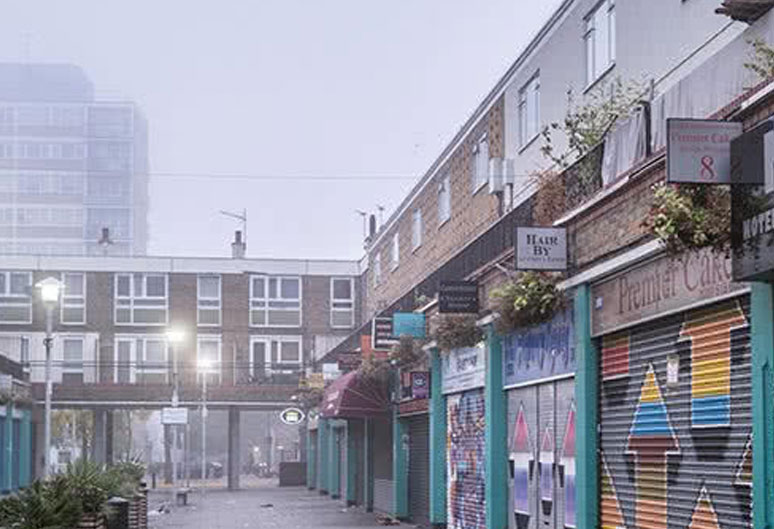
We sat down with Stuart recently to talk photography and discuss his latest Kickstarter-funded project – The Englishman and the Eel; a journey into the culture of that most London of institutions, the Eel, Pie and Mash shop.

SFE_170113_253-compressor© Stuart Freedman

How did you first get into photography?

I did a politics degree and in my final year discovered a magazine called Photography. Edited by Nigel Skelsey (Telegraph) and Victoria Lukens (who I’d go onto work for at the Indie on Sunday Magazine a decade later) it was a beautiful and serious magazine (in contrast to all the other photo mags at the time) that showcased extraordinary work. I had no interest in photography up until that point but I thought, ‘this is what I really want to do’. I was of course a terrible photographer (still am) but that initial spark was the way in for me. After graduation, I came back to London put a really appalling folio together and just went from there… I first joined Select Photos in the early 1990s shooting mostly for European magazines moving to FSP/Gamma Presse a few years later. I’m very proud to have been a full member of Network Photographers in 1999 where I stayed until we sadly closed when I joined Panos.

[gdlr_quote align=”center” ]I’ve spent the last twenty five years making work mostly in Asia and Africa. I wanted however to re-explore my roots and The Englishman and the Eel is an attempt to do just that – recording these simple spaces that hold within them much of the memories of a rich, largely undocumented cultural heritage of generations of working-class Londoners in a city whose only constant is change.[/gdlr_quote]


SFE_161031_239-compressor© Stuart Freedman

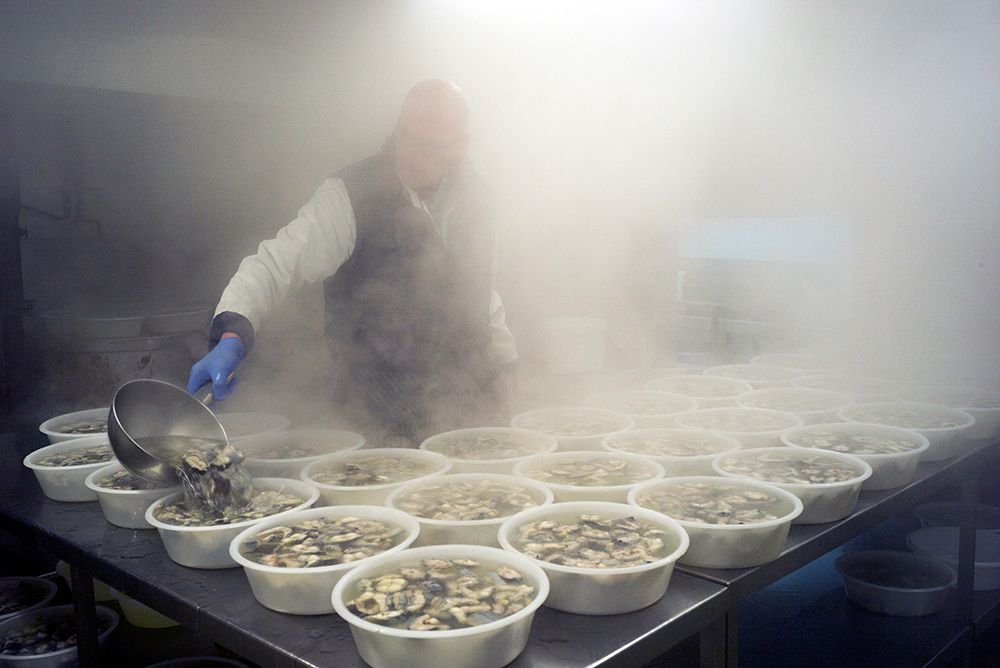
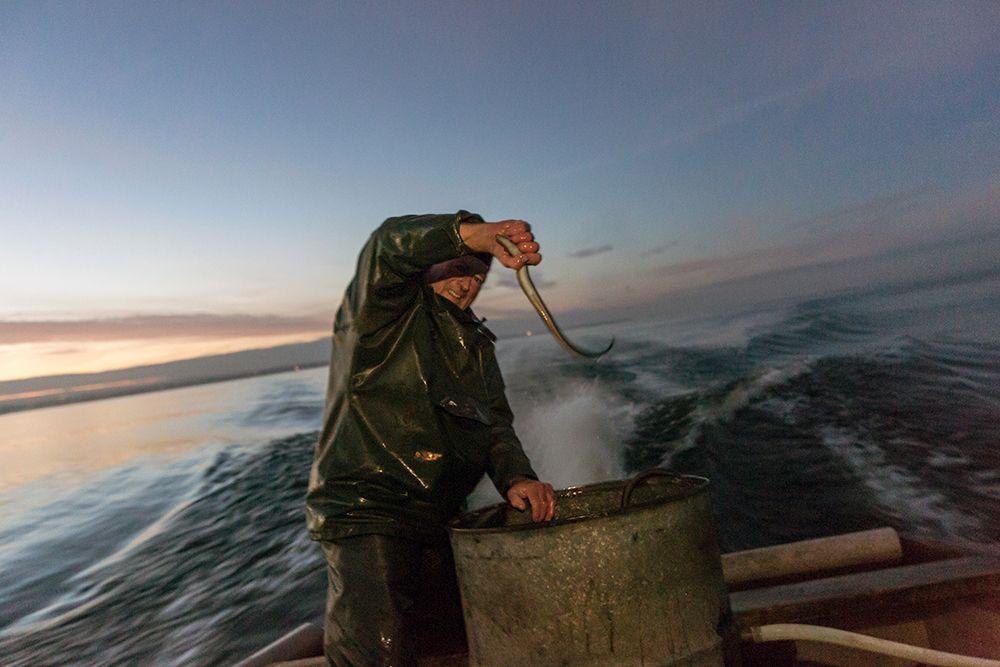
Says Stuart “Today’s eel, pie and mash shops are now havens for what the East End once was – but this is not a work of nostalgia. I’ve travelled to Lough Neagh in Northern Ireland to photograph eel fishing. I’ve made work at both Barney’s and Mick’s Eels, the two companies that process the fish. I’ve photographed and written about Millwall fans (who sing of the eel) and recorded those that now eat their pies and eels at home, too elderly and frail to journey to the shops. Lastly, I have followed the bleed of the East End to it’s new spiritual home in Essex where Pie and Mash shops are undergoing something of an renaissance. Identifying as they do with a re-imagined and distilled working-class culture that is geographically separate from their traditional roots.

SFE_170309_325-compressor© Stuart Freedman

“The Englishman and the Eel is not an encyclopaedic record of every shop, rather I’ve documented what I believe to be the most interesting and significant ones to make a book that I hope is a tribute to a changing institution and I’ve used the eel as a metaphor and symbol of that cultural change. In that sense the book is a companion piece to my last, The Palaces of Memories (Dewi Lewis 2015) – a finalist for best photobook at POYi in America in 2016 – about the Indian Coffee Houses that reminded me so much of my own past – the greasy spoon cafes of Hackney – during my twenty years working and living in India. The Coffee Houses were translational devices that allowed me to see an everyday India away from the stereotypes and understand that people were the same the world over. I hope The Englishman and the Eel will, in the same way, introduce the eel, pie and mash shops to another new audience.”

You’ve been a friend and customer at Fixation for many years. To what extent do you rely on us for your work?

Well, Fixation is the only place I’d ever come to – and ever have come to – for repairs and servicing. No question.

What camera equipment do you use?

I use a couple of Canon 5D Mk III’s and a Leica M-P(240) – but over the years, I’ve used pretty much everything from 6 x 6 to 5 x 4.

You mention that The Englishman and the Eel is almost a companion piece to your last book. Do you have any plans to produce a trilogy?

I don’t think so. I think I’ve said enough about spaces of memory and my past and the next book will be something completely different.

SFE_160706_229-compressor© Stuart Freedman

Stuart was speaking to Tim Stavrinou.

To learn more about the project, visit Stuart’s Kickstarter page.

The book will again be published by Dewi Lewis late in 2017.

www.stuartfreedman.com


SFE_161020_300-compressor© Stuart Freedman

About Stuart

His work has been recognised in many awards, from amongst others, Amnesty International (twice), Pictures of the Year, The World Sports Photo Award, The Royal Photographic Society and UNICEF. In 1998 he was selected for the World Press Masterclass and the following year for the Agfa Young Photojournalist of the Year.

In 1999 he was invited to speak on Capitol Hill in the USA about the atrocities in Sierra Leone where his initial work on the Mutilated premiered. In 2004 he addressed the Oxford Union about the continued suffering of that country.

His work has been exhibited widely. Solo shows include Visa Pour L’Image at Perpignan, The Scoop Festival in Anjou, The Leica Gallery in Germany, The Foire du Livre (Brussels), The Museum of Ethnography (Stockholm), The Association and the Spitz Galleries in London. His work on HIV/AIDS in Rwanda and from post-conflict South of Lebanon have toured extensively internationally.

He regularly judges awards and has twice been a judge for the Amnesty Media Awards. He has guest lectured to students in schools across the UK at amongst others, Swansea Metropolitan University, Falmouth University, Regents University and The London College of Communication (LCC). In addition he has written (and taught) the Photojournalism module for the Visual Journalism MA at Nottingham Trent University.

In 2016, his new book, The Palaces of Memory was a finalist at POYi for Best Photography Book of the Year and was chosen for The American Photography Annual (AI-AP).

He continues to write and photograph for a variety of editorial and commercial clients and is a member of Panos Pictures in London.

Baja Peninsula image

Baja Peninsula

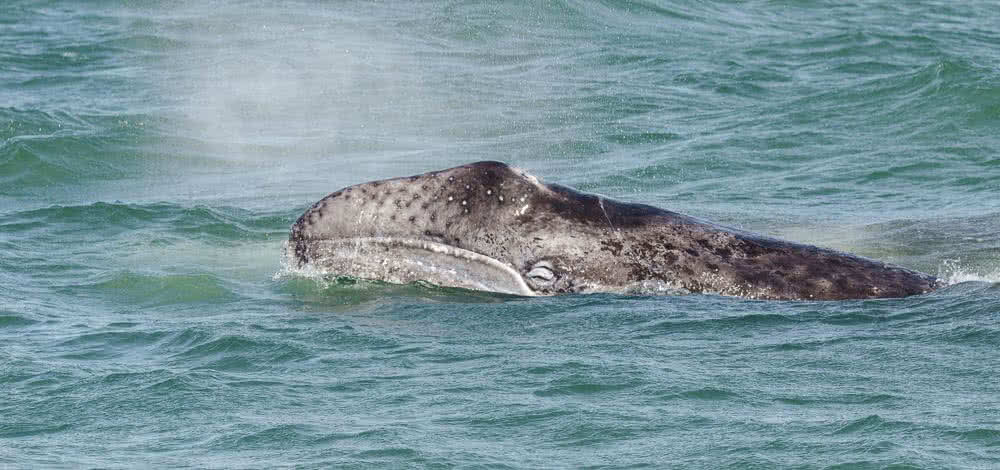
Mexico’s Baja Peninsula, home to the San Ignacio Lagoon, is one of the most remarkable places on earth according to Chris Breen, founder of The Natural Travel Collection.

Chris has been leading trips to Baja for four years with a specific goal in mind: to observe and photograph the thousands of grey whales that migrate down the peninsula and visit some key lagoons each spring.

BajaCalifornia5ChrisBreen-compressor© Chris Breen

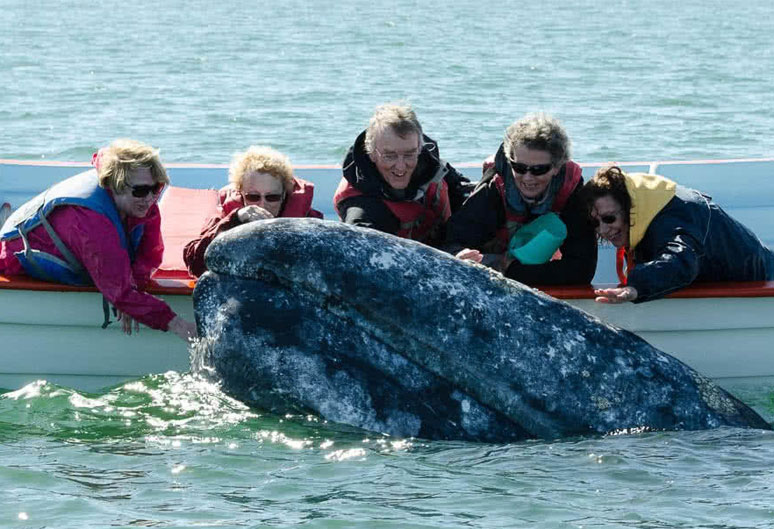
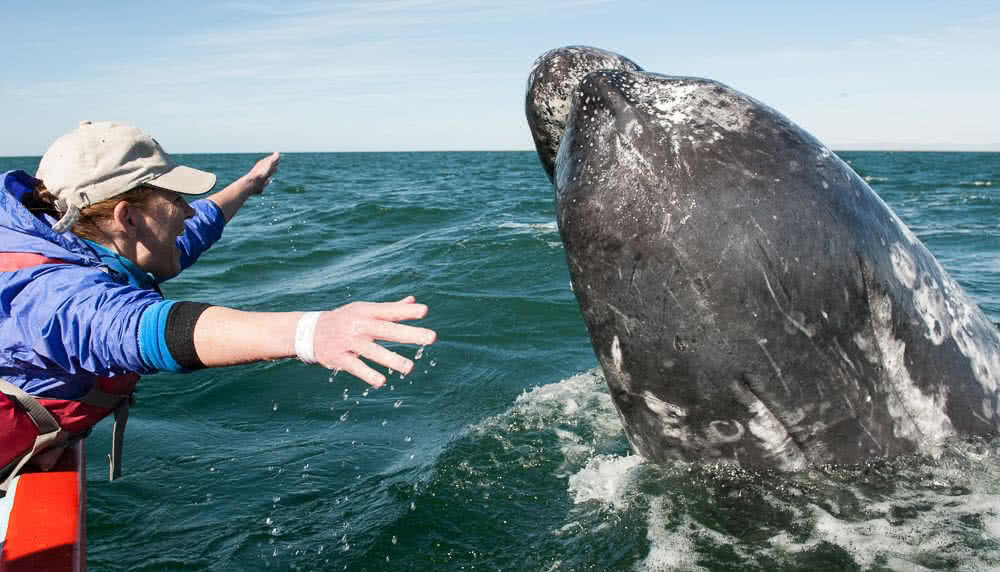
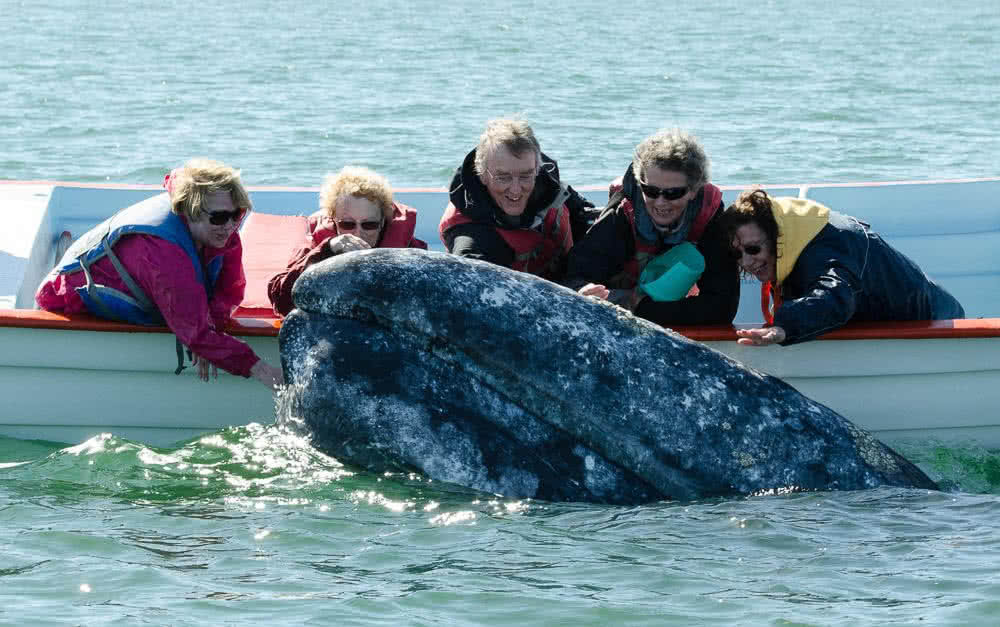
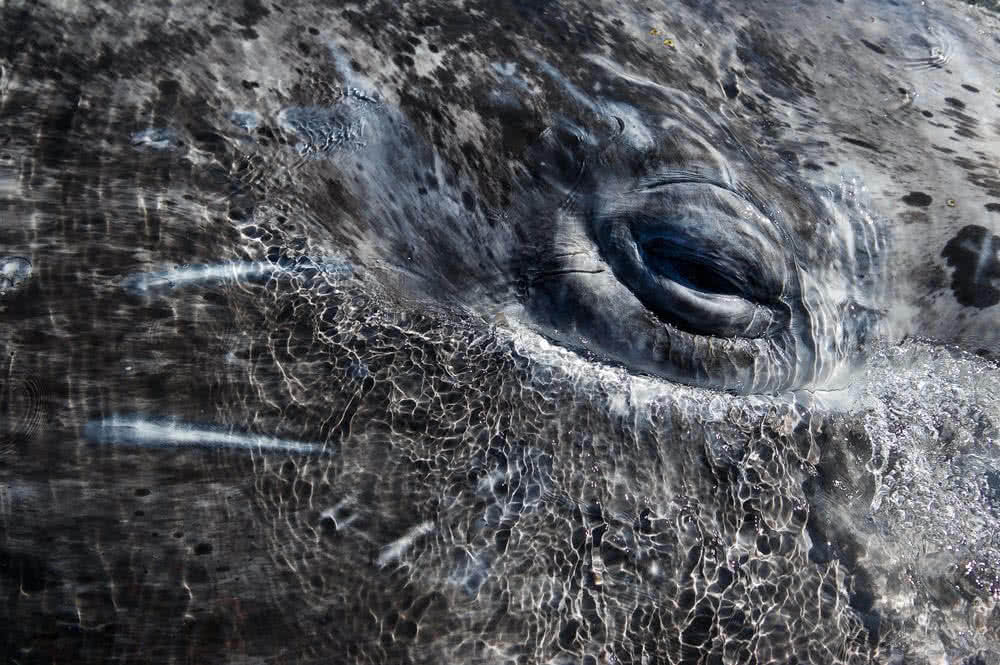
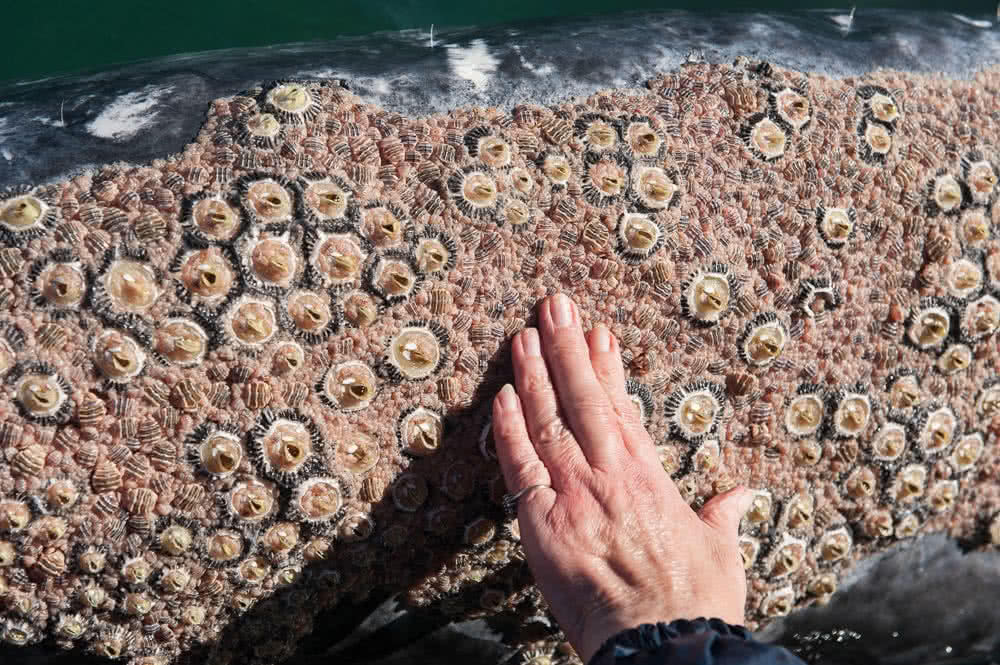
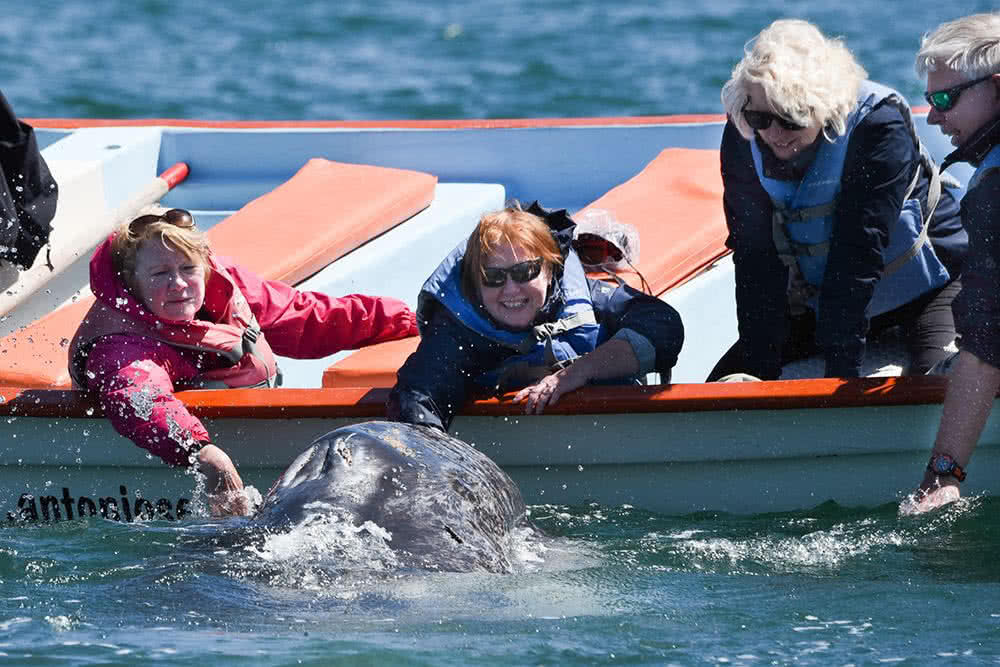
[gdlr_quote align=”center” ]This is a place where the whales want to touch you and play with you, roll around for you, and open their mouths so you can rub their baleen

[/gdlr_quote]

“They blow bubbles for you and disappear to scratch their bellies on the under side of the boats or push on the stern of the boats to turn them round. It all seems to be such fun for them and it’s impossible to know who is enjoying it more, the whales or us.” says Chris.

We caught up with Chris to find out more about his recent trip, and to find out exactly why he keeps returning year after year.

You’re obviously very passionate about your photography. What sort of kit do you take with you on these kind of trips?

After having all my Canon gear stolen in South Africa a few years back I switched to Nikon which I love. I carry a D750 and a D700 with three Nikkor lenses – a 17-35mm ƒ/2.8, 24-70mm ƒ/2.8 and an 80-400mm ƒ/4.5-5.6. As I’m photographing from small boats and the whales are adept at getting everything wet I have two or three small towels in my pocket so I can regularly dry my kit if the whales are on form! I also take a GoPro Hero4 which is good for occasional underwater shots. Most importantly though, I don’t spend all my time behind the lens – the whales need attention too!

You’ve been a customer of ours for quite a while. How much do you rely on Fixation for your gear?

I was introduced to Fixation a few years back and rarely go anywhere else now. Regular camera servicing, sensor cleaning and of course buying good equipment (both used and new) all goes through Fixation.

Do you rent any equipment for your trips or do you prefer to own it outright?

I mostly use my own gear but the rental service is a lifesaver. Before going to Mexico I had the sensor on my D750 cleaned and you discovered that the camera body was damaged with no time to repair it before I went. The rental service came to my rescue with a D750 body in my camera bag within 24 hours – it’s hard to fault that!

BajaCalifornia2ChrisBreen-compressor© Chris Breen

What got you out to Baja California in the first place?

One of my friends had been telling me for years how good it was for wildlife, but as I was travelling quite a lot already I couldn’t really see how I  could fit it into my schedule. Over a beer or two (it’s often the way!) we agreed to lead a trip together to the Pacific side of the Baja Peninsula with a view to seeing grey whales. It was a couple of years in the planning but we led two very successful trips in 2014… and that was it, the whales stole my heart! I returned home after two weeks of whale watching twice each day I told my wife how amazing it was and booked flights for my wife and kids to visit in 2015 (I already had a full trip for 2015 as well so I just stayed on for another wonderful week when my family went home!). It’s now an annual pilgrimage – and though it sounds strange, it is about as close as it’s possible to get to a religious experience.

BajaCalifornia4ChrisBreen-compressor© Chris Breen

Its obviously a lovely place but why do the grey whales go there?

Good question – well, the grey whales have the longest mammal migration of any mammal on earth and they swim 12,000 kilometres from the Chukchi Sea in the Arctic to arrive in the Pacific lagoons in mid to late December in order to breed and have their young. The males disappear northwards from about mid February but the females and their young stay in the lagoons until mid April. Its amazing because there is no food for them to eat here so the adult females are surviving for four or five months without food, feeding their young calves and travelling 24,000 kilometres as well – they are almost ‘super beings’!

BajaCaliforniaChrisBreen-compressor© Chris Breen

But why do they want to play – this isn’t something that I have heard of before?

No one really knows, it is possible that they like the sound of the engines purring away in the water, or perhaps they are just bored of swimming length after length of the lagoon (which they need to do in order for the young ones to increase their strength to prepare for the long journey north) and are inquisitive about what is on the surface. Whatever the reason, they certainly make the most of it – and  if the young ones are a little tentative to begin with, their mothers dive down and blow bubbles under them to push them up to the boats. Once they see how fun we can be they just keep coming back for more!

breen2-compressor© Chris Breen

I thought it was unethical to touch wildlife…

Well I would agree everywhere else in the world except here. In simple terms we would never chase the whales, we wait to see if they want to play with us, and if they do then we will play. But, if they want to play with us and we don’t want to play with them, they will simply go to another boat that does want to play – and have all the fun they can!

BajaCalifornia3ChrisBreen-compressor© Chris Breen

Are there many boats in the lagoon then?

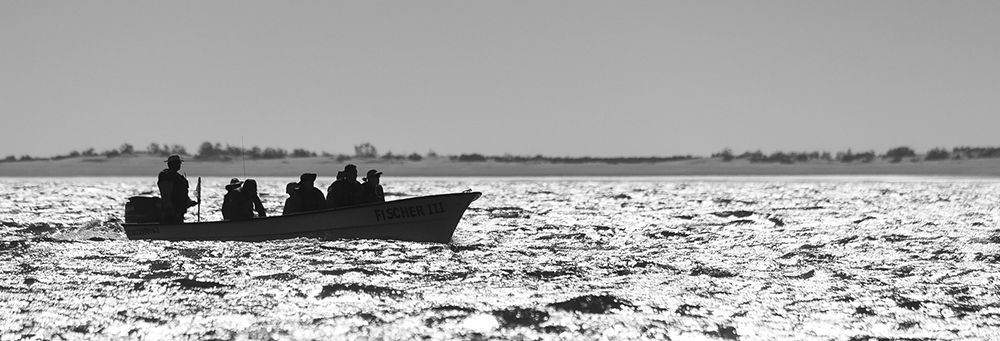
No not at all. The lagoon is mostly set aside for the whales – it is their private sanctuary. However there is a small part of the lagoon that is set aside as a whale-watching zone and 16 boats are allowed into it. The boats are only allowed in for 90 minutes and it is very strictly controlled.

You would obviously recommend this as a trip then!

Yes, it should be at the top of everyone’s list – it really is the most amazing wildlife trip possible on Planet Earth, and I certainly plan to return every year if at all possible. So far I have done nearly 200 hours of whale-watching in the coastal lagoon and its not nearly enough to get it out of my system!

breen1-compressor© Chris Breen


Chris was talking to Tim Stavrinou. If you would like to join Chris on his next trip to Baja California and experience the amazing wildlife and wonderful photographic opportunities of the area, he is travelling to the region again in 2018, this time on a small vessel departing from San Diego and cruising down the entire Baja Peninsula. The trip is called Great Whales of Mexico’s Pacific Coast and it is aboard a 25 berth motor cruiser with a naturalist onboard.

Fuji GFX 50S | A Working Day With A New Camera System images

Fuji GFX 50S | A Working Day With A New Camera System

Paul Stewart, Night Picture Editor at the Daily Express and documentary photojournalist,  has worked in the imaging industry for over 45 years, both as a photographer and an editor. As soon as the first GFX’s arrived in our rental department, we were keen to see what working professional photographers really thought of the camera, and Paul was only too happy to oblige..

I was really interested to hear early rumours of the GFX 50S, as the idea of a mirrorless medium format camera was an exciting new development.  Having swapped my full frame DSLR kit for the Fuji X Series and specifically the wonderful X-Pro2s, I knew that FujiFilm’s evolution of digital photography was well up there with their previous take on the medium and always considered FujiFilm to be people who develop their sensors with an eye to their great history as a film manufacturer.  In fact, only Kodak, to my mind, produced high end pro digital kit with a similar quality of colour and detailed reproduction.  Having seen the GFX 50S at Fixation’s FujiFilm Open Day I was delighted when they asked me to try the camera out.

When I was the editor of HotShoe International and indeed when I reviewed equipment for the British Journal of Photography, I had a strict policy of not doing or commissioning a review unless an actual photographer went out and shot a real job with the equipment (after all if you can’t earn a living with it, it’s not a lot of good to a pro).

The first thing I noticed about the GFX was the ergonomics which are superb.  In comparison to my Phase One Mamiya 645AFD, it’s lighter (when used without the battery grip) and handles far more like a high end DSLR, making location use far easier, though it’s happy to sit rock solid on a tripod in the studio.  The next thing I noticed was that the firmware, menus and ergonomics all take a big lead from the X Series cameras that I am already used to, which meant that integrating myself into the camera system was a doddle.


This is a really well thought out camera.  The tri-axis tilt screen on the back means that you can shoot from almost any angle and still see what you are framing, making a “Hail Mary” more a matter of framing than prayer.

Likewise, the tilting view finder, which I originally thought was not going to be that interesting, turned out to be a godsend when shooting in bright light when wanting to shoot from a lower angle.

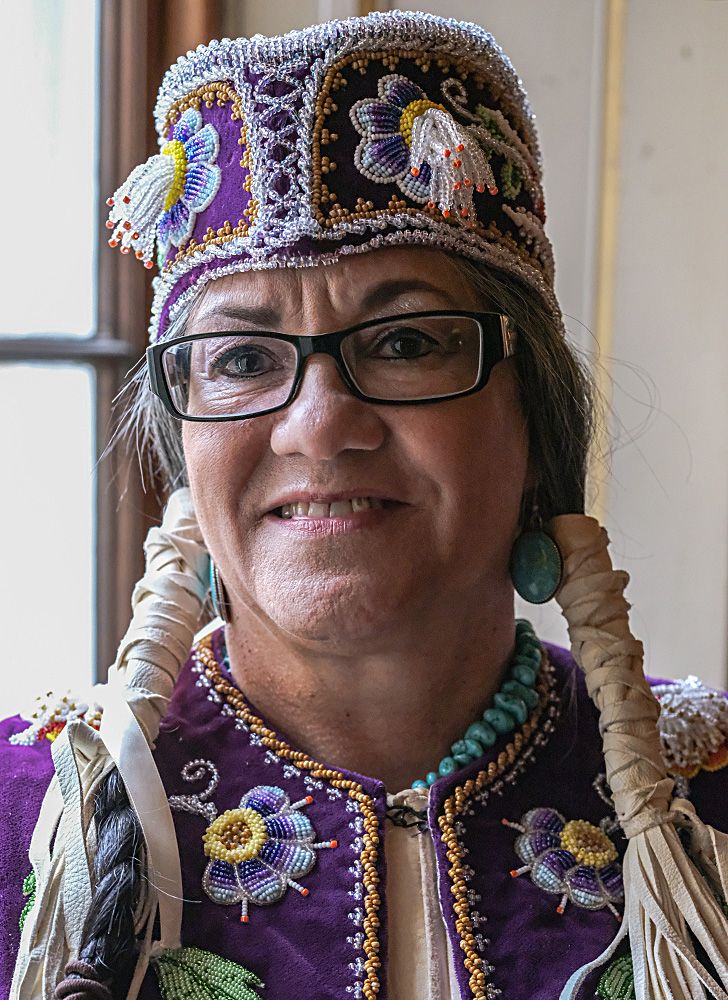
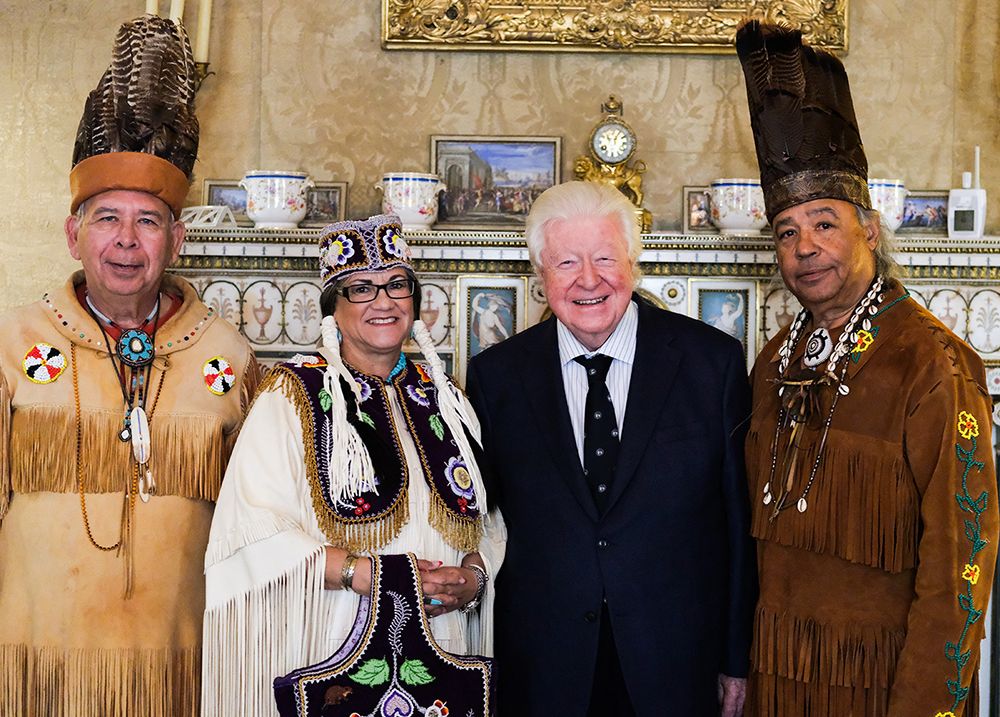
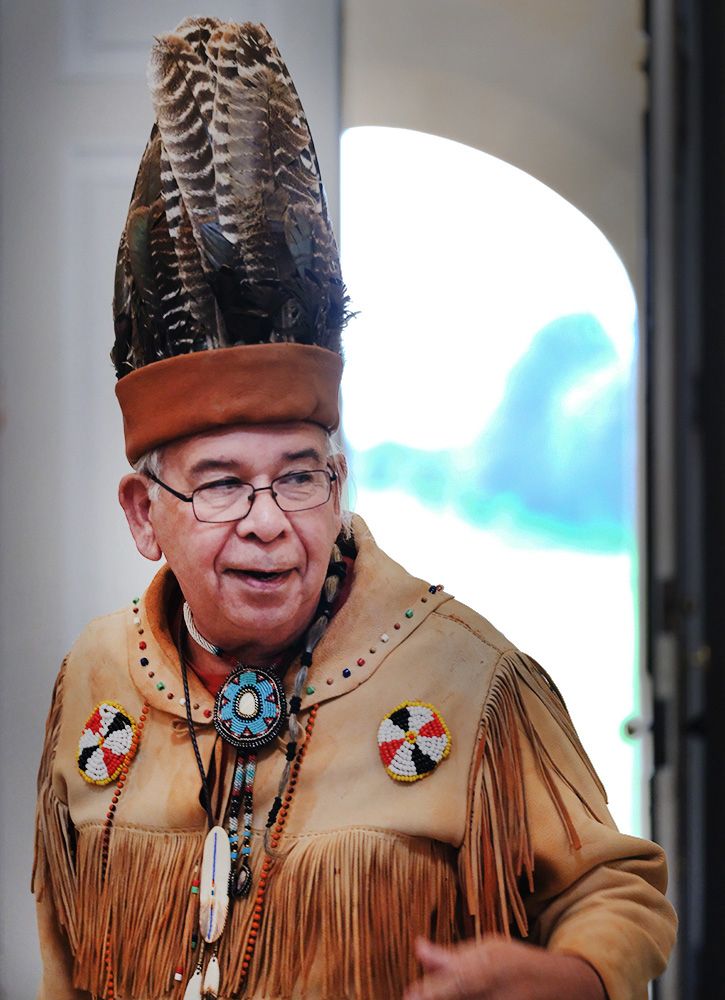
So what job did I decide to use it on?   I was asked to be the host photographer for a Royal Visit by the Duke of Gloucester, who, of all things, was meeting three Virginia Indian Chiefs of the Powhatan People, all of whom were of the descendant tribes of Pocahontas and who were celebrating the 400th Anniversary of her leaving Brentford, where she lived, to return to America.

PS-GXX50_Review_0003-compressor© 2017 Paul Stewart

Sadly, she only got as far as Gravesend, where she died.  The ceremonials were being held in Syon House, so I arrived a bit early to check out the light, which, although soft, was very low outside the venue.  Inside, especially in the private green drawing room, it was abysmal but plunging on, I shot this job jpeg only to see just how good the dynamic range of this camera was.  I expected it to be good.  It was, in fact, exceptional.  I shot some portraits of the various Chiefs and dignitaries with extreme highlights and shadow within them and the detail recovery was beyond that I expected.

PS-GXX50_Review_0004-compressor© 2017 Paul Stewart

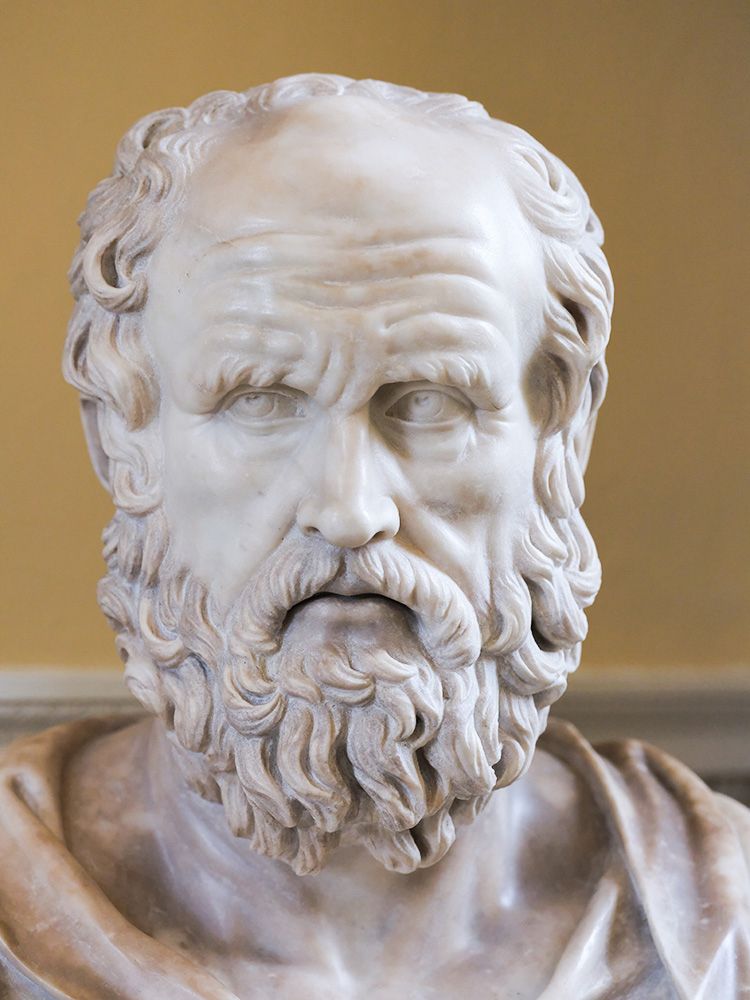
The camera behaved faultlessly throughout the shoot.  I never had to go onto the second battery that I had as a back up and was incredibly pleased with the results.  Everything you see, including the grip and grin type PR shot of the Chiefs with Lord Watson of Richmond, were shot in a low level of available light.  In fact the very first shot I shot with the camera in anger was the one of the marble statue in Syon’s Great Hall.

PS-GXX50_Review_0001-compressor© 2017 Paul Stewart

Looking at this just on the back of the screen made me realise just what a great camera this is.  Although, like all medium format cameras it is expensive, when compared to Phase 1s and other makes, it’s well priced.  The only down side to the camera that I have seen so far, is that FujiFilm went back to a Bayer Pattern rather than adopting their fabulous X-Trans sensor design as used in the X Series, which I find to be the best sensor I have ever used.  It would have been nice to see a larger format version of this.  However, in terms of colour rendition etc I find it hard to fault the GFX 50S.

PS-GXX50_Review_0002-compressor© 2017 Paul Stewart

I don’t feel that the Mamiya would have allowed me to do the location shooting that the Fuji allowed and the only downside is that I now have to try and sell my Mamiya 645 AFD/Phase One System so I can get a GFX!

You can see more of Paul’s work here

To get your hands on the Fuji GFX 50S, pop into our showroom for a demo, or contact our rental department and try one for yourself.

Hi, how can we help?